The Ultimate Strata Cleaning Checklist Every Smart Manager Needs
Key Takeaways
- A structured strata cleaning checklist helps managers maintain a safe, hygienic, and visually appealing property while reducing health and safety risks.
- Dividing cleaning tasks into daily, weekly, monthly, and seasonal schedules ensures consistency, compliance, and long-term property upkeep.
- Prioritising high-traffic and high-touch areas such as lobbies, lifts, and bin rooms prevents complaints and enhances resident satisfaction.
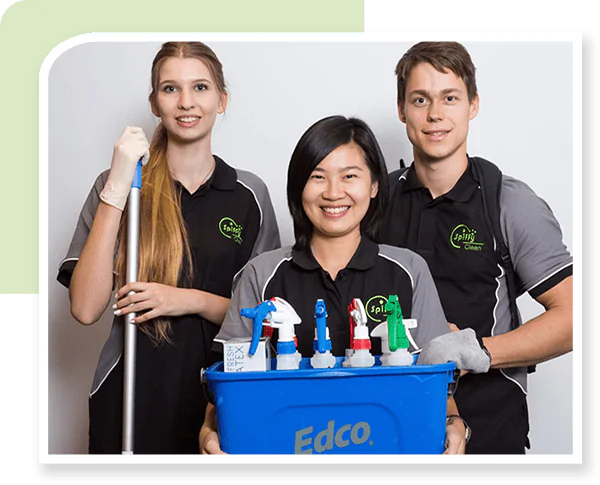
- Partnering with professional strata or body corporate cleaning teams like Spiffy Clean improves efficiency, accountability, and overall cleaning quality across shared facilities.
Managing a strata property comes with a long list of responsibilities, and cleanliness is one of the most important. A well-maintained building not only looks appealing but also supports the health, safety, and satisfaction of residents.
For many managers, keeping track of cleaning requirements across common areas, outdoor spaces, and high-touch surfaces can be challenging. That is why a clear and structured checklist is essential. If you are a manager overseeing an apartment complex or shared facility, professional support such as body corporate cleaning can also help streamline operations and keep your property in top condition.
This guide provides the ultimate strata cleaning checklist every manager needs, covering daily, weekly, monthly, and seasonal tasks. By following these steps, you can ensure that your building remains safe, compliant, and welcoming year-round.
Why Strata Cleaning Matters
Strata cleaning is about more than presentation. A clean property reduces risks of illness, prevents accidents, and ensures compliance with health and safety standards. Residents expect their living environment to be hygienic and comfortable, and when those expectations are met, managers deal with fewer complaints.
Clean environments also help preserve property value. Well-maintained lobbies, lifts, and outdoor spaces create positive first impressions for visitors and potential buyers. For managers, implementing a clear cleaning schedule reduces the risk of oversights and helps coordinate with professional cleaning teams.
Daily Strata Cleaning Checklist
Daily cleaning is the foundation of property hygiene. These routine tasks keep the building presentable and address the areas most frequently used.
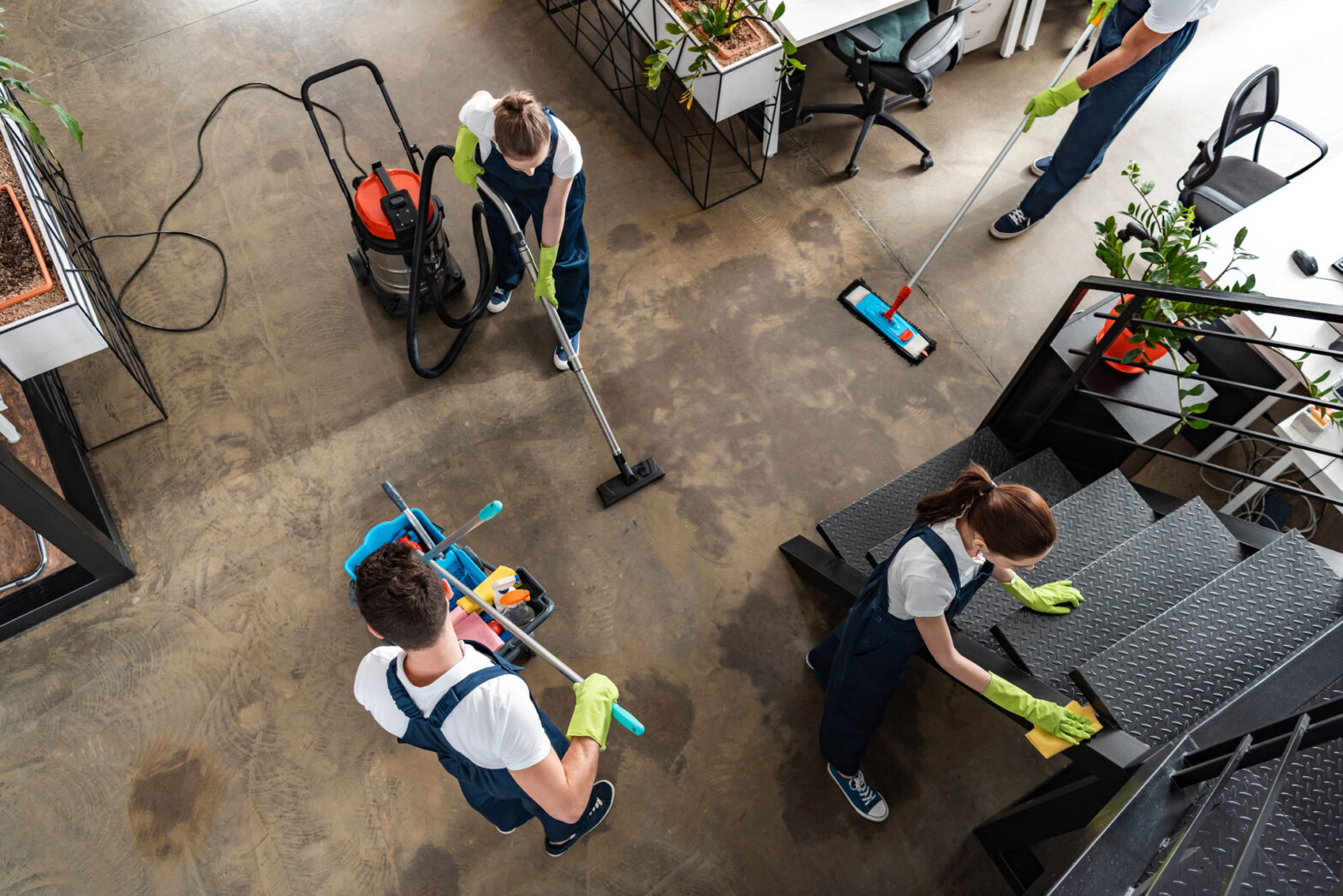
- Entrance & Lobby: Sweep, vacuum, or mop floors; wipe down doors, handles, and reception desks; empty bins.
- Hallways & Corridors: Vacuum or mop; dust skirting boards and wall edges; disinfect light switches.
- Lifts: Wipe control panels, disinfect doors inside and out, vacuum floors.
- Stairwells: Sweep and mop steps; sanitise handrails.
- Bin Rooms & Rubbish Disposal: Empty bins, clean and disinfect bin lids and floors, deodorise room.
- Quick Hazard Checks: Remove spills, clutter, and debris to reduce risks.
Weekly Strata Cleaning Checklist
Weekly cleaning addresses deeper issues that daily routines may overlook.
- Common Areas: Dust light fixtures, skirting boards, and ledges; clean windows and mirrors; polish tables and furniture.
- Car Parks & Pathways: Sweep and remove debris; clean oil stains; check and clean drains.
- Garden & Outdoor Areas: Collect litter; trim hedges and bushes; remove weeds.
- Shared Kitchens (if applicable): Clean sinks, wipe counters, sanitise taps and cupboard handles.
- Pest Control Monitoring: Check for insects or rodents in bin rooms, car parks, and outdoor spaces.
Consistency is key here. Weekly upkeep prevents dirt and damage from building up, while also keeping the property safe for residents.
Monthly Strata Cleaning Checklist
Monthly cleaning routines focus on areas that do not need daily attention but require regular maintenance.
- Windows & Glass Façades: Wash inside and outside surfaces for streak-free results.
- External Surfaces: Pressure wash driveways, pathways, and walls to remove grime and algae.
- Carpets & Flooring: Conduct deep steam cleaning or shampooing; polish hard floors.
- Ventilation Systems: Inspect and clean vents, ceiling fans, and air ducts.
- Storage & Equipment Rooms: Clean shelves, disinfect handles, check supplies and equipment condition.
- Lighting Fixtures: Clean bulbs, covers, and fittings; replace faulty bulbs.
This is also the time to review performance. Managers can use monthly inspections to identify issues and adjust cleaning schedules.
Seasonal or Quarterly Strata Cleaning Checklist
Certain tasks are best scheduled every few months or seasonally.
- High-Level Dusting: Clean ceilings, fans, beams, and air-conditioning units.
- Gardens & Landscaping: Refresh mulch, prune trees, fertilise lawns, seasonal planting.
- Surface Repairs & Polishing: Repaint walls, reseal tiles, and polish stainless steel or brass fittings.
- Safety Inspections: Test fire alarms, emergency lights, and exit signage; review first aid kits.
- Exterior Cleaning: Gutter cleaning, roof inspections, and window façade checks.
- Deep Sanitisation: Carry out a full infection control deep clean of high-traffic zones such as lifts, stairwells, and lobbies.
Quarterly checks ensure that facilities remain in excellent condition throughout the year.
Key Areas Managers Should Prioritise
Some spaces require more attention due to heavy usage.
- Lobbies and entrances: First impressions matter, so these areas should always look clean and professional.
- Bin rooms and waste disposal areas: Regular sanitisation prevents odours and pests.
- High-touch surfaces: Lift buttons, handrails, and door handles must be disinfected daily.
- Car parks and outdoor spaces: Clean, safe, and well-lit areas improve safety and property appeal.
Neglecting these areas can quickly lead to complaints from residents. To see how cleaning influences different environments, explore our blog on creating sparkling kindergarten learning environments.
The Role of Professional Strata Cleaning Teams
While some tasks can be managed internally, many strata properties benefit from professional cleaning services.
- Consistency: Professionals follow structured schedules to ensure nothing is overlooked.
- Accountability: Cleaning teams provide records, audits, and transparent reporting.
- Expertise: Trained staff use safe, effective cleaning methods and eco-friendly products.
- Reduced workload: Managers can focus on operations while cleaners handle the details.
Professional services also reduce risks by preventing cross-contamination and ensuring compliance with hygiene regulations.
Strata Cleaning Best Practices for Managers
Even with professional support, managers play a vital role in overseeing cleaning standards. Best practices include:
- Scheduling regular inspections to monitor cleaning results.
- Using colour-coded cloths and tools to prevent cross-contamination between bathrooms, kitchens, and communal areas.
- Choosing eco-friendly products to protect residents and the environment.
- Keeping documentation for compliance and quality assurance.
By following these best practices, managers can reduce risks, improve satisfaction, and maintain consistent quality. Similar principles apply to maintaining efficient workplaces, where optimising workplace cleaning routines plays an equally important role in keeping environments safe and productive.
Keep Your Strata Property Safe, Clean, and Well-Maintained
A clear cleaning checklist is essential for strata managers. It reduces risks, keeps residents happy, and protects the long-term value of the property. By following a structured approach to daily, weekly, monthly, and seasonal cleaning, managers can ensure their facilities remain safe and welcoming all year round.
If you are ready to simplify your cleaning responsibilities, Spiffy Clean can help. Contact us today for professional strata and body corporate cleaning solutions tailored to your property.