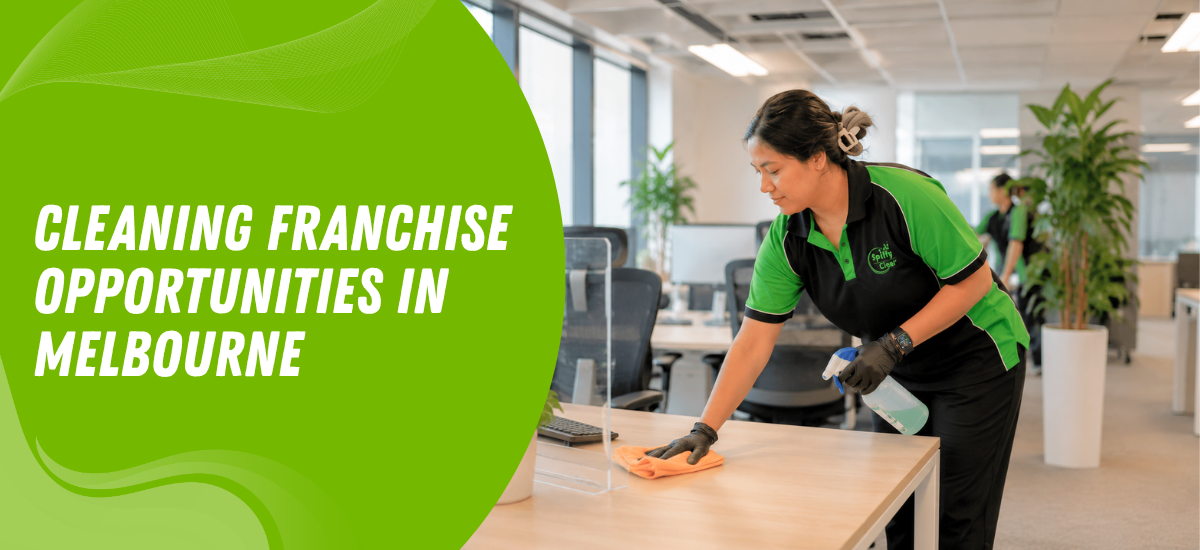
Cleaning franchise opportunities in Melbourne appeal to those wanting an established business without building a client base from scratch pay a fee, get a territory, inherit clients, and start earning. What the brochure understates are the ongoing costs: royalty payments on gross revenue, marketing levies, equipment mandates, and contract clauses that restrict how you manage long-term clients. None of it is hidden, but it rarely gets scrutinised until the first royalty statement arrives. Understanding those terms before signing is what separates a franchise that works from one that doesn’t.
Table of Contents
ToggleAccording to Spiffy Clean, a provider of commercial cleaning services in Melbourne, “anyone evaluating a cleaning franchise in Melbourne needs to stress-test the numbers with the royalties, levies and mandatory costs included, because the margin looks very different once those come out.”
What Do Cleaning Franchise Fees and Royalties in Melbourne Actually Cover?
The upfront fee and ongoing royalty structure are the two numbers most franchise buyers focus on, but neither tells the full story without understanding what sits underneath them.
- Upfront franchise fee: This covers the right to operate under the franchisor’s brand, use their systems and access their client base within a defined territory, but it doesn’t guarantee a minimum income, a protected client list or any assurance that the territory allocated has enough commercial density to support the revenue projections in the disclosure document.
- Ongoing royalties: Most cleaning franchises in Melbourne charge royalties as a percentage of gross revenue, typically between eight and fifteen percent, which means the franchisor gets paid before operating costs, equipment, insurance and labour come out, and that calculation changes the viability of low-margin commercial contracts significantly.
- Marketing and management levies: On top of royalties, most franchise agreements include separate levies for national marketing funds and local area management, and franchisees rarely have visibility into how those funds are spent or any meaningful say in whether the spending generates work in their specific territory.
- Equipment and product mandates: Franchisors typically require franchisees to purchase approved equipment and cleaning products through designated suppliers, which removes the ability to source cheaper alternatives and locks ongoing consumable costs at whatever the approved supplier charges, regardless of market pricing.
Those costs compound quickly. Royalties, levies, and mandated expenses can absorb a substantial share of what appears to be a workable margin. Commercial cleaning services in Melbourne operating outside a franchise model avoid those cost layers entirely which directly affects how competitively they can price for clients.
What Do Cleaning Franchise Contracts in Melbourne Actually Bind You To?
The fee structure is one part of the commitment. The contract terms are the part that determines what happens if the arrangement doesn’t work out the way the disclosure document suggested it would.
- Territory clauses: Franchise agreements define the geographic territory a franchisee operates in, but the protection offered varies considerably, and some agreements allow the franchisor to allocate clients inside your territory to other franchisees or company-owned operations without triggering a breach of the territorial provision.
- Client ownership: One of the more consequential clauses in cleaning franchise agreements concerns who owns the client relationship, because in most structures the client belongs to the franchisor, not the franchisee, which means exiting the franchise doesn’t mean taking your clients with you regardless of how long you’ve serviced them.
- Renewal and exit terms: Franchise agreements in Melbourne typically run for five years with renewal options, but renewal isn’t automatic and the terms on renewal can differ from the original agreement, while exit provisions often include restraint of trade clauses that limit what a departing franchisee can do in the same industry or territory for a defined period.
- Performance requirements: Most agreements include minimum performance obligations the franchisee must meet to maintain their franchise, and falling below those thresholds can trigger remediation processes, additional fees or in some cases termination of the agreement, regardless of whether the shortfall was caused by market conditions outside the franchisee’s control.
Frankly, the contract is where the actual risk sits, and reading it once through without legal advice is how most franchise disputes start.Read about how commercial cleaning companies are structured and staffed to understand what separates a franchise model from a directly operated cleaning business.
Why Choose Spiffy Clean?
Jack Sidhu, director at Spiffy Clean, leads an ISO 9001, 14001 and 45001 certified commercial cleaning company serving 500+ businesses across Melbourne with directly employed, police-checked and fully insured cleaners operating outside a franchise model, which means no royalty layers, no mandated supplier markups and no territory restrictions affecting how the business is run or how clients are serviced.
Clients deal with one company, one quality standard and one accountable team on every site. Call 1300 668 025 to request your free commercial cleaning quote today.
Considering a cleaning franchise in Melbourne and want to understand what the numbers actually look like?
FAQ
Upfront fees cover brand rights, systems access and territory allocation but don’t guarantee minimum income.
Royalties typically range between eight and fifteen percent of gross revenue depending on the franchisor.
In most franchise structures the client belongs to the franchisor, not the franchisee, on exit.
Non-compliant food premises require specific product knowledge, documented protocols, and Food Act-aligned cleaning records.