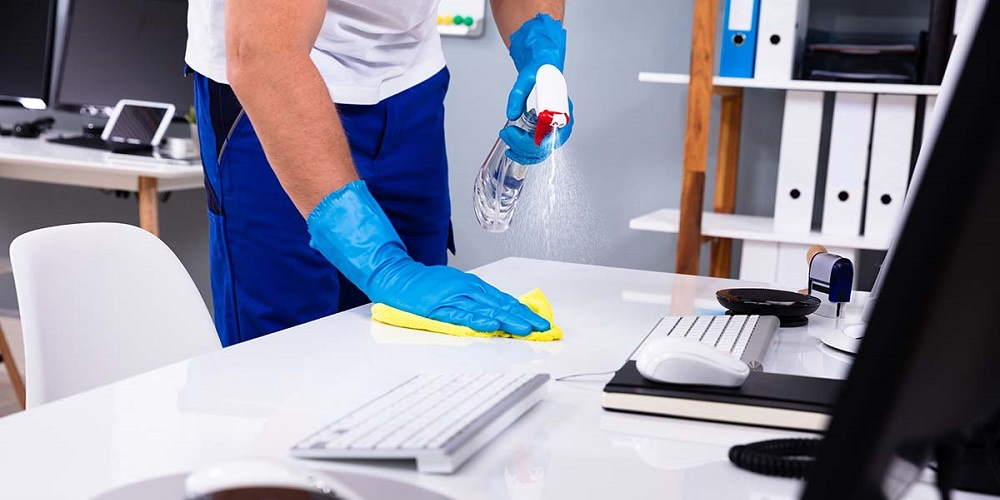
Sustainability has become a key priority for many Australian businesses, particularly when it comes to workplace health, environmental responsibility, and long-term operational practices. One area that is receiving increased attention is office cleaning, specifically the products used to maintain hygiene and cleanliness in commercial environments.
Traditional cleaning chemicals can be effective, but they often come with drawbacks such as harsh residues, strong fumes, and environmental harm. As a result, many organisations are now exploring biodegradable office cleaning products as a safer and more sustainable alternative.
When combined with professional commercial cleaning services, biodegradable products can deliver strong hygiene outcomes without compromising employee wellbeing or environmental goals.
Key Takeaways
- Biodegradable office cleaning products break down naturally and reduce environmental harm without sacrificing hygiene standards.
- These products improve indoor air quality and support employee health by avoiding harsh chemicals and fumes.
- When used by professional cleaners, biodegradable solutions are effective, compliant and suitable for commercial workplaces.
- Choosing biodegradable cleaning supports long term sustainability goals and creates a safer, greener office environment.
What Are Biodegradable Office Cleaning Products?
Biodegradable office cleaning products are formulated to break down naturally after use, reducing their impact on the environment. Unlike conventional chemical cleaners that can persist in waterways and soil, biodegradable products decompose into non-toxic components through natural biological processes.
These products are commonly made using plant-based ingredients and low-toxicity compounds that are effective for commercial cleaning tasks while being safer for people and the environment. In office settings, biodegradable cleaners are used for surfaces such as desks, floors, kitchens, bathrooms, and shared amenities.
Importantly, biodegradable does not mean ineffective. When selected and applied correctly by trained professionals, these products meet the hygiene and sanitation standards required in commercial workplaces.
Why Sustainability Matters in Office Cleaning
Office buildings are cleaned frequently, often daily, which means the products used can have a cumulative environmental impact. Choosing biodegradable cleaning products helps reduce chemical waste, limit pollution, and support broader sustainability initiatives within a business.
Sustainable cleaning is also increasingly aligned with corporate responsibility policies. Many organisations now assess their suppliers based on environmental practices, including cleaning contractors. Using biodegradable products demonstrates a commitment to responsible operations that extends beyond surface-level sustainability claims.
This approach aligns closely with broader sustainable cleaning methods that focus on long-term environmental care rather than short-term convenience.
Health and Safety Benefits for Office Environments
Employee wellbeing is a major consideration in modern workplaces. Cleaning products that contain harsh chemicals can negatively affect indoor air quality and trigger allergies, headaches, or respiratory irritation, particularly in enclosed office environments.
Biodegradable cleaning products offer clear health and safety advantages, especially when offices are cleaned during or shortly before business hours.
Key health benefits include:
- Reduced exposure to harsh chemical fumes
- Improved indoor air quality
- Lower risk of allergic reactions or sensitivities
These benefits are especially important in shared workspaces, meeting rooms, and high-traffic areas where employees spend long periods of time.
Are Biodegradable Cleaning Products Effective in Offices?
A common concern among business owners and facility managers is whether biodegradable products can deliver the same level of cleanliness as traditional chemical cleaners. The short answer is yes, when they are used correctly.
Modern biodegradable products are designed to remove dirt, grease, and bacteria effectively while remaining gentle on surfaces. Their performance depends on correct product selection, proper dilution, and appropriate cleaning techniques.
In commercial environments, professional cleaners play a critical role in ensuring that biodegradable products are used in line with industry standards. This includes combining them with appropriate tools, dwell times, and processes that support effective sanitisation. Many of these processes align with safe disinfection practices required in professional office cleaning.
Compliance and Professional Cleaning Standards
Offices are required to meet workplace health and safety obligations, which include maintaining a clean and hygienic environment. This applies across corporate offices, educational facilities, healthcare settings, and shared commercial buildings.
Professional cleaning providers follow structured protocols that ensure biodegradable products are used safely and effectively. This includes adherence to Australian workplace regulations, environmental standards, and quality assurance processes such as ISO frameworks.
Using biodegradable products does not remove the need for professional expertise. In fact, compliance and consistency are even more important when transitioning away from harsh chemical cleaners, as product misuse can reduce effectiveness or compromise hygiene outcomes.
Cost and Long-Term Value for Businesses
From a financial perspective, biodegradable cleaning products are often viewed as more expensive than traditional chemicals. However, this comparison usually focuses on short-term product costs rather than long-term value.
Biodegradable products can help reduce wear and damage to office surfaces, furnishings, and flooring by avoiding corrosive ingredients. This can lower maintenance and replacement costs over time. Additionally, healthier workplaces can contribute to reduced sick leave and improved employee satisfaction.
When incorporated into a structured cleaning plan, biodegradable office cleaning becomes a cost-effective investment rather than an added expense.
How Biodegradable Cleaning Supports a Greener Workplace
A clean office is no longer just about appearance. Many businesses now view workplace hygiene as part of their broader environmental and social responsibility strategy.
Biodegradable cleaning products support a greener workplace by reducing chemical runoff, limiting environmental impact, and aligning with sustainability reporting goals. They also contribute to a more positive workplace culture by demonstrating care for employee health and environmental stewardship.
This approach works best when paired with clear processes and education around hygienic office practices, ensuring that cleanliness and sustainability go hand in hand.
Choosing the Right Biodegradable Cleaning Products for Your Office
Not all biodegradable cleaning products are suitable for commercial use. Offices require products that balance environmental responsibility with performance, safety, and compliance.
When selecting biodegradable cleaning solutions, businesses should consider:
- The type of office environment and foot traffic levels
- Surface materials and cleaning frequency
- Compliance with workplace health and safety standards
Professional cleaning providers assess these factors and choose products that deliver reliable results without compromising safety or sustainability.
Professional Biodegradable Office Cleaning with Spiffy Clean
Biodegradable office cleaning products offer a practical way for businesses to improve hygiene while reducing environmental impact. When used as part of a structured, professional cleaning program, they support healthier workplaces, safer indoor environments, and long-term sustainability goals.
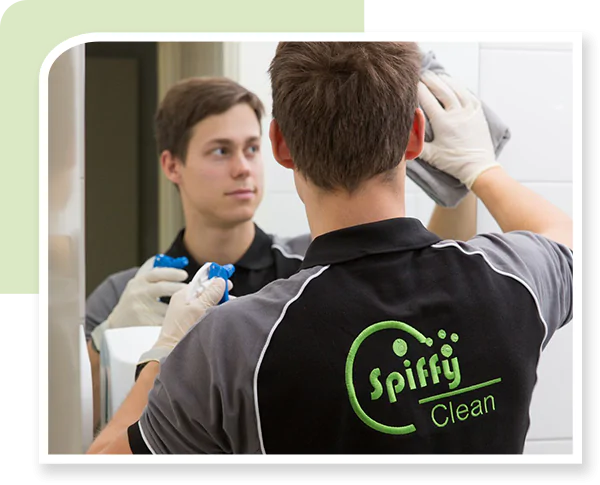
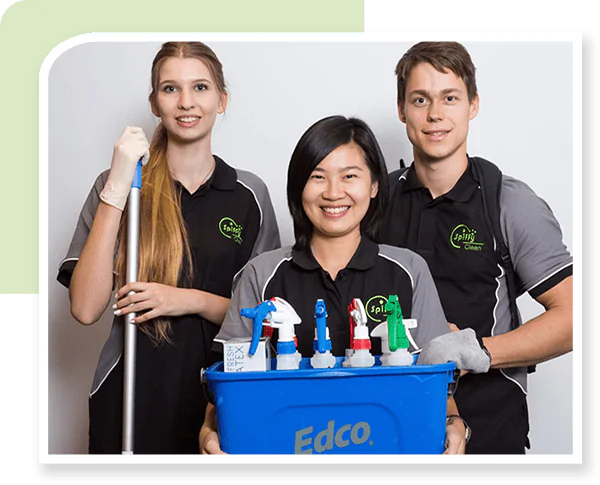
Spiffy Clean delivers tailored office cleaning solutions that prioritise quality, compliance, and environmental responsibility. Our team uses carefully selected biodegradable products alongside proven cleaning protocols to ensure your workplace remains clean, safe, and professional.